
Votre panier est actuellement vide.
Not sure where to start?
Try these collections:
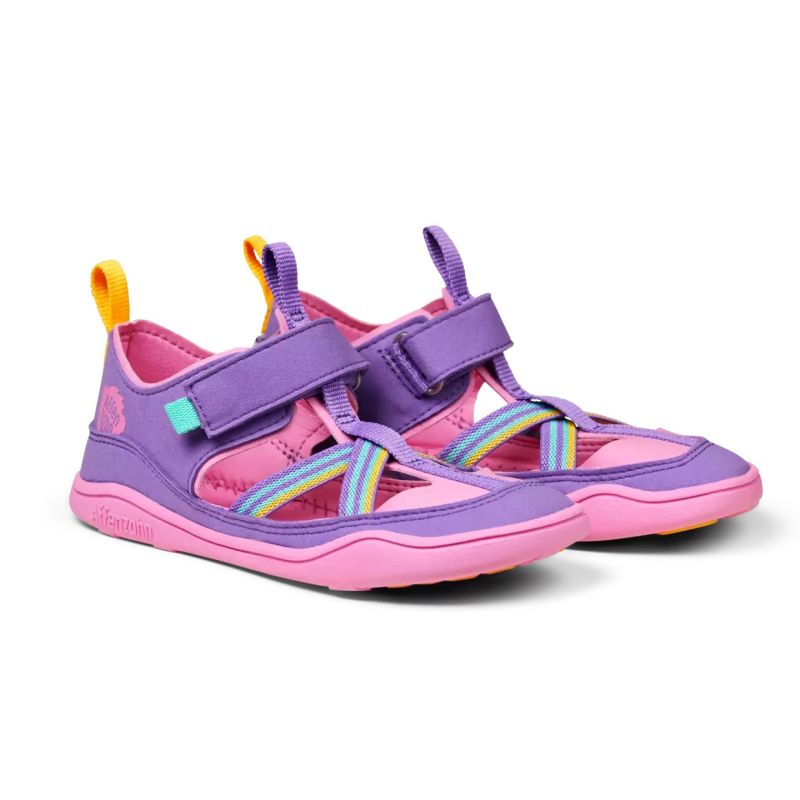
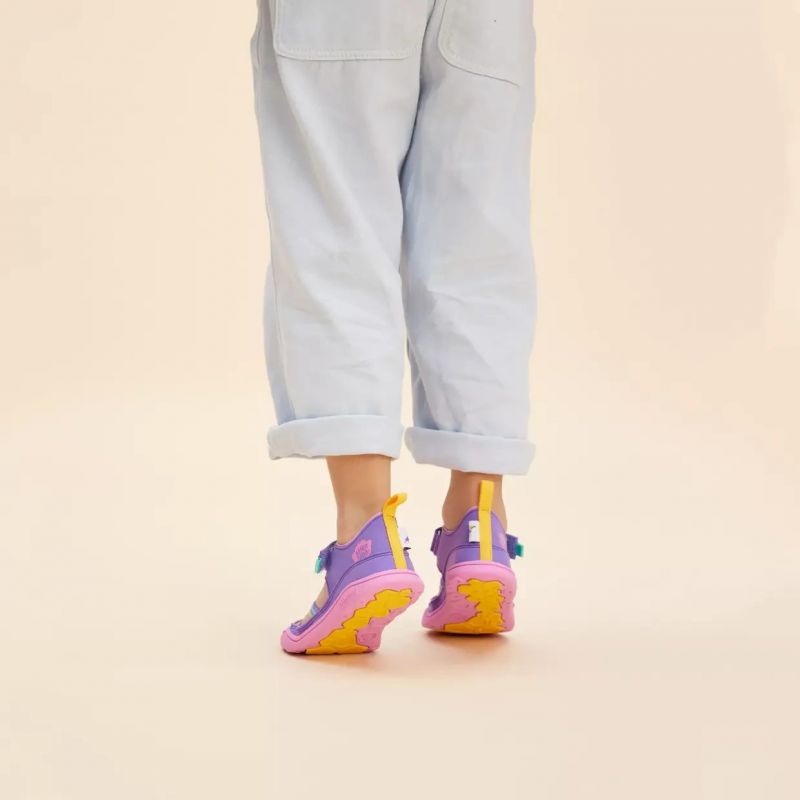
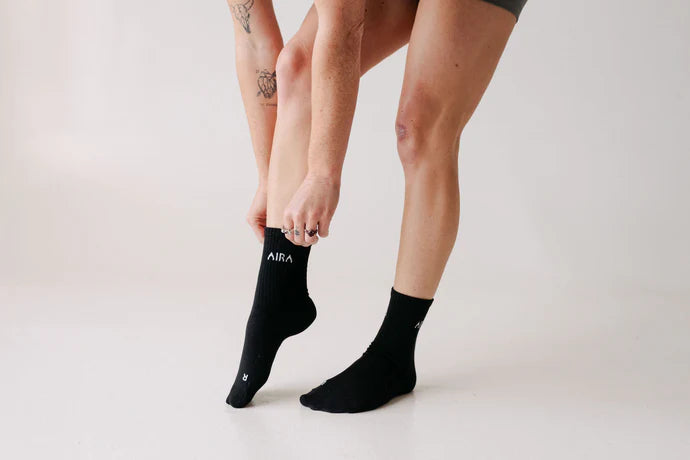
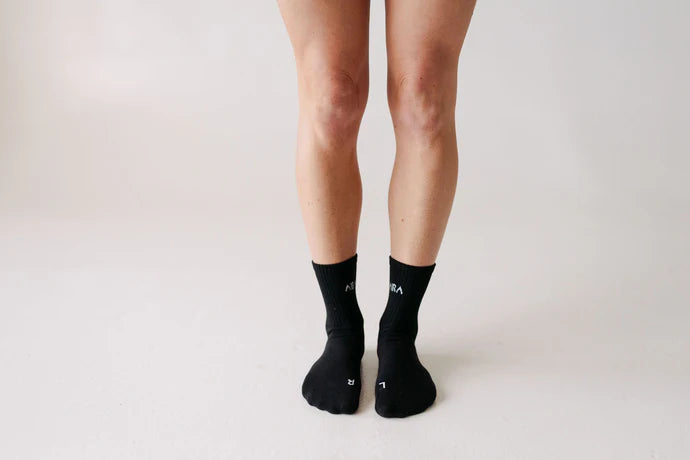

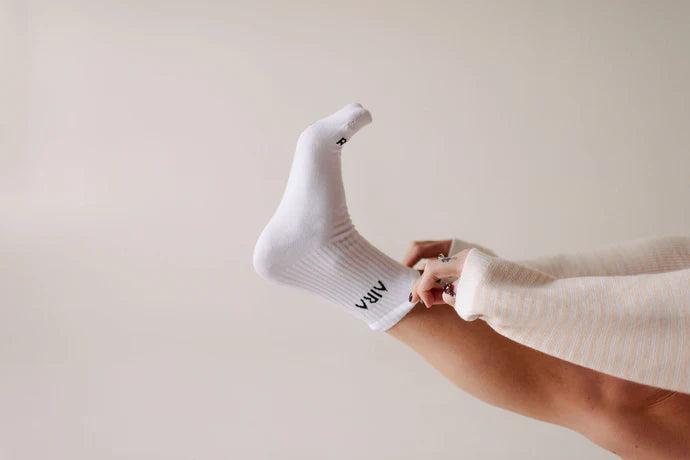
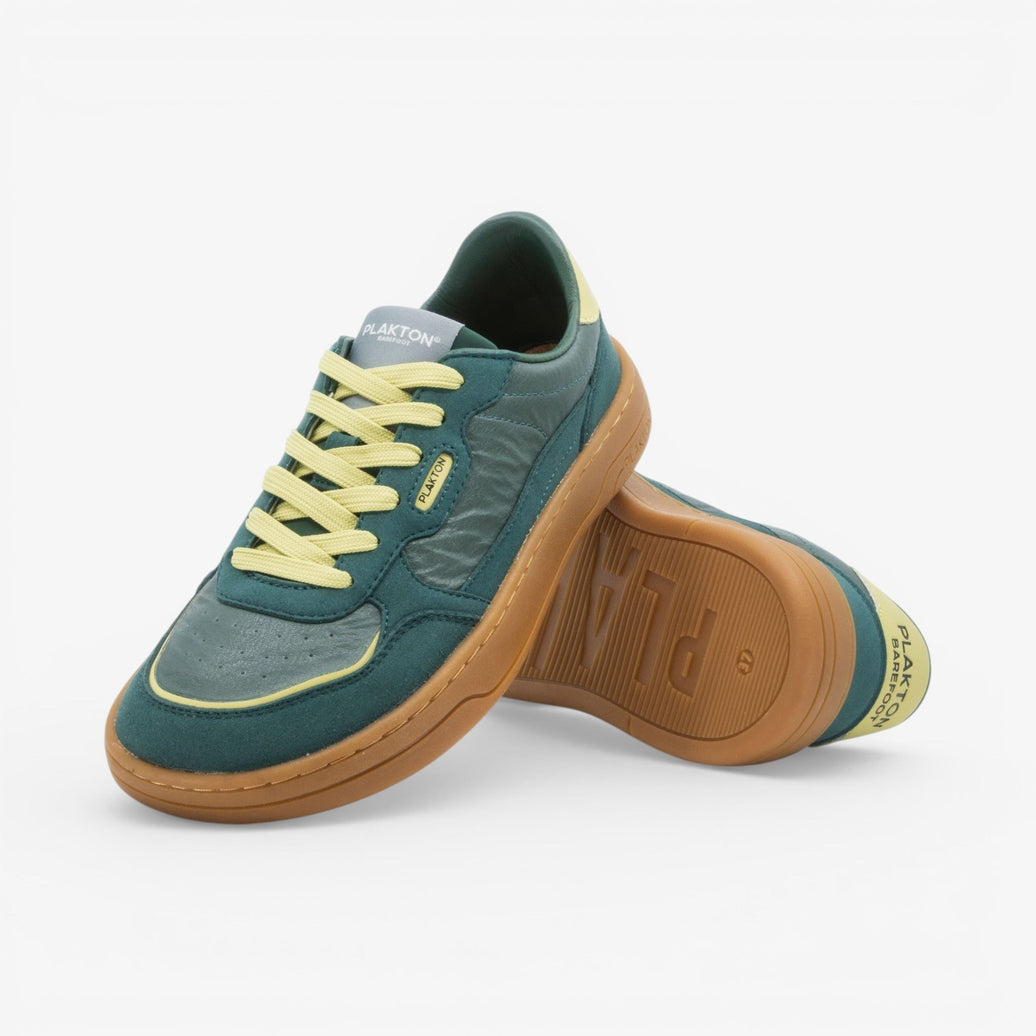
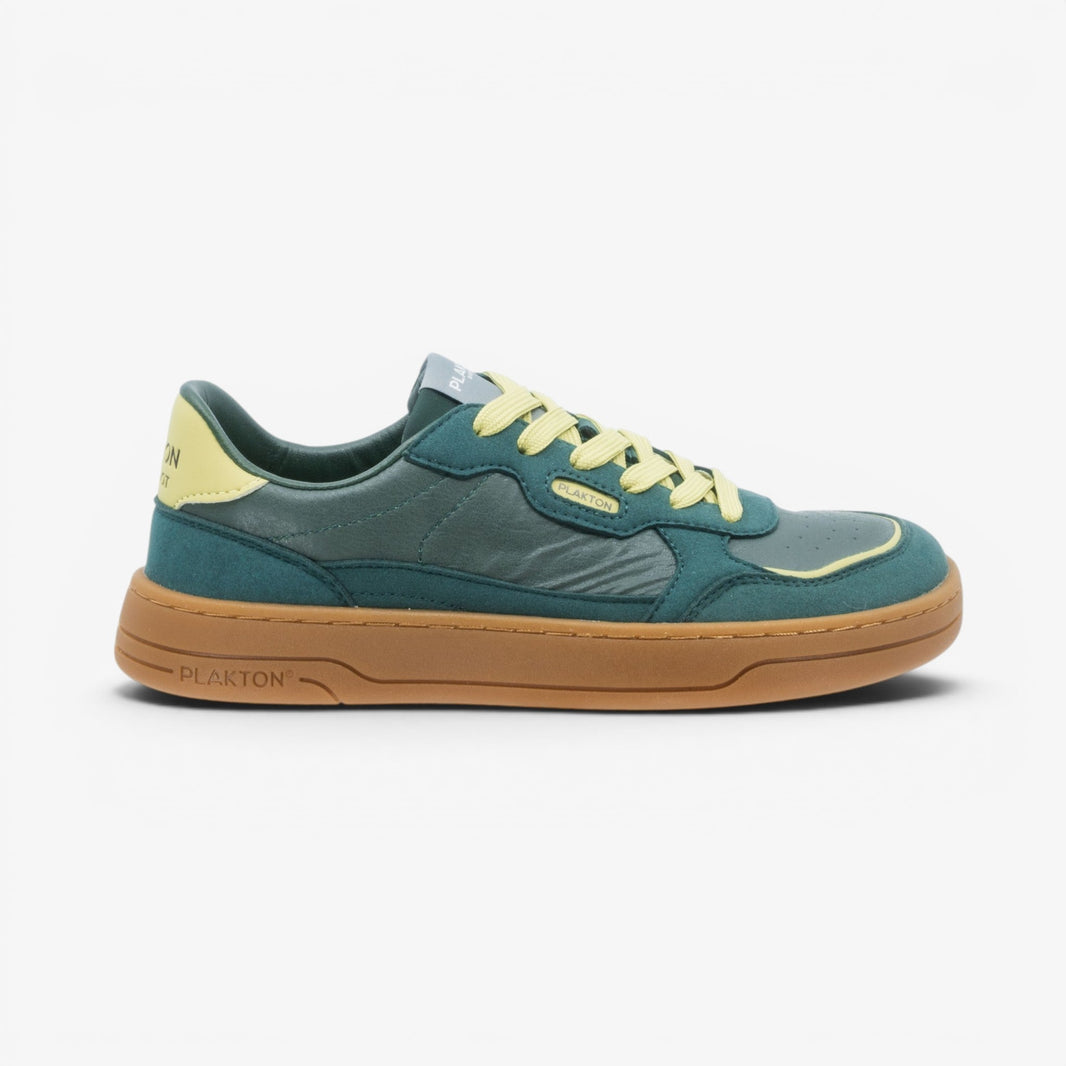
You're in the right place. We'll guide you through everything you need to know: what barefoot shoes are, what to expect when you transition, and how to choose your first pair with confidence.
Find Your First Pair
Barefoot shoes are designed to let your feet move as nature intended. Unlike conventional footwear, which tapers and squeezes, barefoot shoes follow the natural shape of your foot. Four key features define them:
Shaped like an actual foot, allowing toes to splay naturally instead of being squeezed together.
No raised heel, so your foot sits flat as nature intended. Your weight distributes evenly across the whole foot.
The sole bends and twists with your foot, not against it. Your feet can feel and respond to the ground beneath them.
The shoe follows the natural outline of a human foot, rather than forcing your foot into a narrow, tapered shape.

Shoes Should Change Shape. Not Feet.
We didn't start as barefoot shoe experts. Here's how each of us found our way here.

For over ten years, Daniel worked as a groundworker, spending 10+ hours a day in heavy, narrow steel toe caps. His toes were squashed together so tightly they'd forgotten how to move independently. The dark, damp, narrow environment created a constant cycle of athlete's foot that he couldn't shake.
The turning point came when he realised the boots weren't protecting his feet. They were suffocating them. Switching to wide toe box barefoot shoes paired with merino toe socks fixed a decade of fungal issues in just months.
"I wish I could go back a few years and give my head a wobble. I spent so much time in pain and discomfort because I didn't think there was another way."Read Daniel's full story →

Mum of four and co-owner of BarefootBrit Shop, Lowenna wasn't an easy convert. When her sister Brit first introduced her to barefoot shoes, she thought they looked completely ridiculous. The wide toe box seemed awkward, unfashionable and, if she's being completely honest, a bit clown-like.
Then it clicked. Her idea of what a shoe should look like had been shaped by years of wearing footwear that squeezed her feet into a shape they were never meant to be. That scepticism was the start of a journey that changed how she thought about footwear, and her children's feet.
"I'd simply accepted that as normal because, like most people, I'd never really questioned it."Read Lowenna's full journey →

Children's feet are still developing. The bones are soft and malleable, which means narrow shoes can shape growing feet before they've had a chance to form naturally. That's why it matters to start early with foot-shaped footwear.
The good news? Children often adapt more quickly than adults to barefoot shoes. Their feet are still learning what natural movement feels like, so the transition can be smoother than you might expect.
Read why kids' shoes should be wide →When you switch to barefoot shoes, your feet and lower legs start using muscles that have been supported by conventional shoes for years. This is normal and a sign your feet are waking up. You may notice new sensations in your arches, calves and toes as they begin working in ways they haven't for a long time.
Begin with 1-2 hours a day and build up over a few weeks. Listen to your feet. There's no rush and no prize for getting there faster.
Some initial muscle fatigue in your feet and calves is expected. That's your body adjusting. Sharp pain is not. If something hurts acutely, reduce wear time and build up more slowly. Soreness that fades overnight is your feet getting stronger. Pain that lingers or worsens means you're progressing too quickly.
Most people feel comfortable within 2-4 weeks of gradual wear. Full adaptation can take longer depending on how long you've worn conventional shoes and how active you are. Be patient with the process.
Start with 1-2 hours a day. Wear them around the house. Let your feet wake up gently.
Gradually increase to half-day wear. Alternate with conventional shoes if needed. Mild muscle fatigue is normal.
Most people feel comfortable in daily wear. Your arches and calves are noticeably stronger.
Full adaptation. Your feet move naturally and feel stronger. You may not want to go back.
Most adults need 8-12mm of comfort room between their longest toe and the end of the shoe. For children, we generally recommend 15-18mm to allow for growth. These are general recommendations, not universal rules. Your feet are unique.
Powered by the BarefootBrit Fit System™Three simple steps to find your first barefoot shoes with confidence.
Accurate measurement is the foundation. You need both length and width to find the right fit.
Follow our foot measuring guide →Width is just as important as length. Most people don't realise their feet are wider than conventional shoes allow for.
Browse wide fit barefoot shoes →Our recommendation tool uses your foot measurements to suggest shoes that will fit.
Complete the Shoe Match Assessment → Powered by the BarefootBrit Fit System™These are popular, accessible styles that work well for first-time barefoot shoe wearers across women's, men's, and kids'.


Wide toe box, flexible sole, and versatile styling make these ideal first barefoot shoes.


Comfortable, everyday designs with roomy toe boxes that ease the transition from conventional footwear.


Durable, foot-shaped designs that let growing toes splay naturally. Great for school and everyday wear.
Most people feel comfortable within 2-4 weeks of gradual wear. Your feet and lower legs need time to strengthen muscles that conventional shoes have been supporting. Start with short periods and build up.
Yes, and that's completely normal. The wider toe box and flat sole will feel different from what you're used to. Many people describe it as feeling "too roomy" at first. That's your toes having space they haven't had in years.
We don't recommend it. Start with 1-2 hours a day and gradually increase. Your feet need time to adapt to using different muscles. Rushing can lead to soreness that puts you off.
Absolutely. In fact, many people who think they have "wide feet" simply have feet that are a natural width but have been squeezed into narrow shoes for years. Barefoot shoes are designed to accommodate natural foot width.
Barefoot shoes allow your foot muscles and arches to work naturally, which may help strengthen over time. We're not able to give medical advice, but many customers report improvements in foot comfort after transitioning. If you have specific concerns, consult a foot health professional.
Children's feet are still developing, with soft, malleable bones. Foot-shaped footwear allows their feet to grow naturally without being moulded into narrow shapes. Many children also adapt more quickly than adults.
We measure every shoe's internal dimensions ourselves using the BarefootBrit Fit System™, so our sizing guidance is based on real measurements, not estimates. Our Shoe Match Assessment helps you order the right size first time.
Yes. We offer 30-day returns on unworn shoes. If they're not right, you can send them back. We recommend trying them on a clean surface at home first.

Daniel & Lowenna, Co-Founders
UK-based independent shop
Same-day dispatch (order by 12pm, Mon-Sat)
30-day returns
Expert sizing help from the BarefootBrit Fit System™
Nous vous enverrons un email pour réinitialiser votre mot de passe
Not sure where to start?
Try these collections: