

Quick Verdict: Toe socks wrap soft fabric around each toe, while toe spacers physically hold a gap between them. They serve different roles and are not interchangeable. Choose based on your comfort needs and available shoe room, and consult a registered clinician for persistent foot pain.
When your toes feel pinched or pressed together, it is natural to look for simple ways to make your feet more comfortable. When comparing toe spacers vs toe socks, people often wonder whether both tools do the same job. Although both relate to toe spacing and everyday comfort, they work very differently inside and outside your shoes.
Understanding what toe spacers, five-toe socks, and anatomical socks can and cannot do makes it much easier to choose the right option for your feet.
The Three Categories Explained
Before deciding what suits your routine, it helps to separate three distinct options that are often grouped together:
Flexible silicone or foam separators placed between toes to hold them apart physically (such as The Foot Collective Wild Toes).
- Gently holds adjacent toes apart.
- Adds physical width across the forefoot.
- Suitable for barefoot rest, foot exercises, or inside footwear with sufficient space.
Socks knitted with a separate fabric sleeve for each digit, like gloves for your feet (such as Soxsense or ToeSox).
- Can help reduce skin-on-skin friction.
- May help manage moisture between toes, depending on the fabric.
- Adds only a thin layer of knit, fitting comfortably in most foot-shaped shoes.
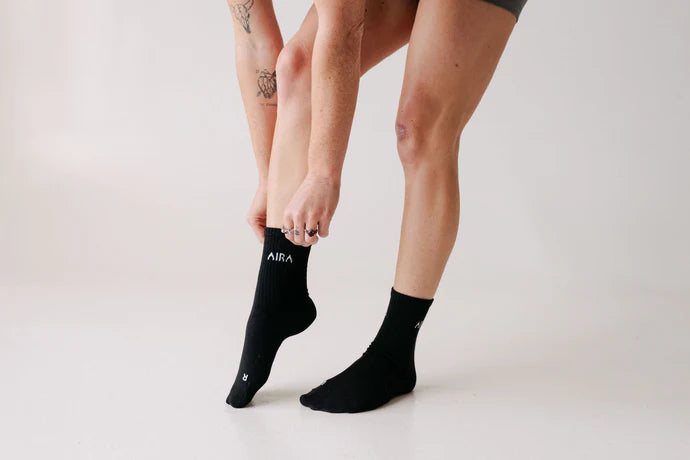
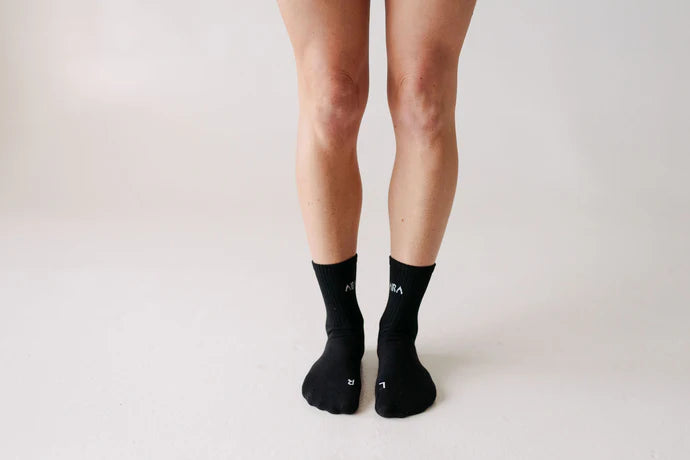
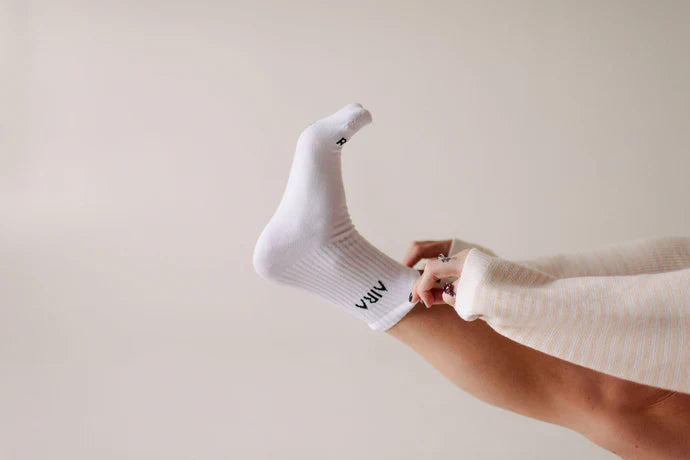
Single-compartment socks shaped to follow the natural outline of the foot (such as AIRA Basics, LONO Stay Wild Merino, or Nackt).
- Single toe compartment with no dividers between digits.
- Designed to avoid restrictive tapering around the toes.
- Allows room for natural toe movement when correctly fitted.

Side-by-Side Comparison
| Feature | Toe Spacers | Five-Toe Socks | Anatomical Socks |
|---|---|---|---|
| Primary Role | Gentle toe separation and temporary comfort | Can help reduce toe-on-toe friction and manage moisture | Everyday wear designed to avoid restrictive toe tapering |
| Forefoot Volume Needed | Generous (requires extra toe-box room if worn in shoes) | Minimal (thin layer of fabric) | Standard (matches foot-shaped footwear) |
| Wear Inside Shoes? | Yes, where comfortable and the shoe has sufficient space | Yes, fits easily in foot-shaped footwear | Yes, everyday sock replacement |
| Wear While Sleeping? | No: risk of unnoticed pressure or restricted circulation | Yes, if comfortable | Yes, if comfortable |
| Primary Benefit | Temporary spacing during rest, exercises, or suitable wear | Helps reduce skin-on-skin rubbing between digits | Allows room for natural toe movement without toe dividers |
How to Choose Between Them
1. Choose Five-Toe Socks If Rubbing Is Your Main Concern
If your toes press together and feel clammy or irritated on walks, five-toe socks are often the easiest place to start. One of the practical benefits of toe socks is that each toe sits in its own soft sleeve, which can help reduce skin-on-skin friction and may help manage moisture between the toes, depending on the fabric blend. Because they add very little bulk, they slip easily into everyday foot-shaped shoes.
For a closer look at different knits, cuff styles, and brands, read our UK guide to socks for barefoot shoes.

2. Choose Toe Spacers If You Want Physical Toe Separation
Toe spacers are designed to hold a physical gap between neighbouring digits, offering a gentle stretch and temporary comfort. Many people start by wearing them for short periods while relaxing at home or during simple foot mobility exercises, though some designs can also be worn during gentle activity if they feel comfortable.
Whether you can wear toe spacers in shoes depends on both the spacer design and the shape of your footwear. Because silicone pillars increase the overall width of your forefoot, wearing them inside shoes requires generous extra width and depth. Squeezing spacers into a narrow or close-fitting shoe will compress your toes rather than give them space.
3. Choose Anatomical Socks If You Prefer No Fabric Between Your Toes
When looking for socks for crowded toes, not everyone enjoys the sensation of fabric between every digit. Anatomical socks use a single, foot-shaped compartment that mirrors the natural outline of your forefoot. While they do not physically separate individual toes, they are designed to avoid the restrictive tapering found in many conventional socks, allowing room for natural toe movement when correctly fitted.
Realistic Expectations: What Toe Spacers Can and Cannot Do
Some foot-care marketing suggests that toe spacers can realign adult foot bones or permanently fix structural foot changes. In practice, clinical evidence for permanent correction is limited.
NHS guidance on bunions lists toe spacers alongside wide, comfortable shoes and bunion pads as options that may help ease symptoms, while noting that non-surgical measures cannot correct or reverse an existing bunion. Similarly, podiatry guidance from the Cleveland Clinic explains that while toe separators can provide temporary relief and gentle stretching while worn, they do not permanently reshape the foot.
Wider, foot-shaped footwear can help reduce side pressure on sensitive joints and improve day-to-day comfort, even though it will not reverse bunions. If you are looking for footwear that avoids squeezing the big toe joint, read our guide to barefoot shoes for bunions.
Safety and When to Stop
Toe spacers should always feel comfortable, never painful. If you notice pinching, tingling, numbness, throbbing, or skin irritation, remove them straight away. Never force spacers between your toes or wear them overnight while sleeping.
If you have diabetes, peripheral neuropathy, reduced sensation in your feet, or circulation problems, speak to an HCPC-registered podiatrist or your GP before using toe spacers, as unnoticed pressure can cause skin damage.
What If Your Shoes Are Causing the Crowding?
Before investing in accessories, it is worth checking the shape of the shoes you wear every day. Narrow or tapered toe boxes push the toes inward from both sides, contributing to toe compression regardless of which socks you put on.
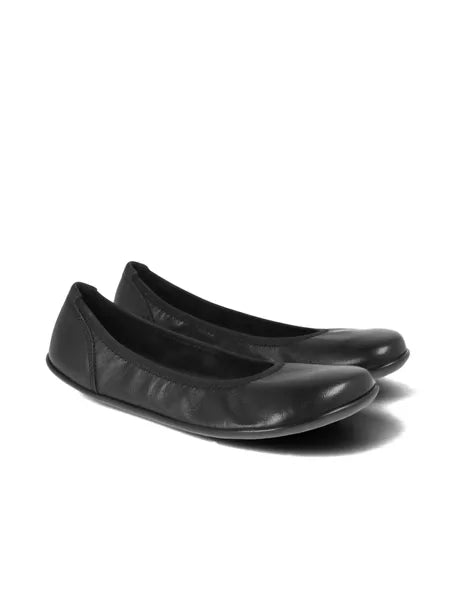
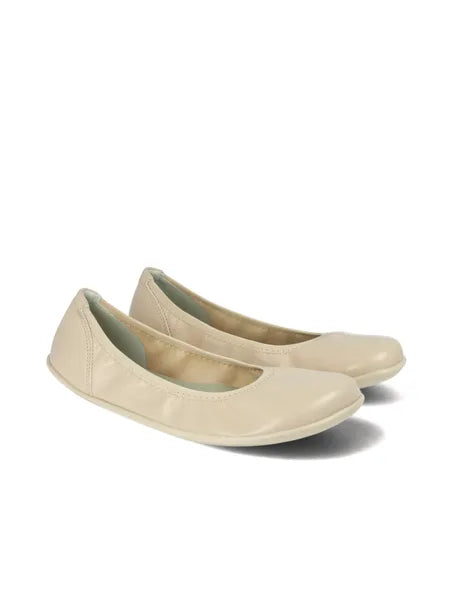
Even the best five-toe or anatomical socks cannot compensate for footwear that is too narrow, shallow, or short. Switching to foot-shaped footwear with sufficient width, depth, and length gives your forefoot the physical space it needs for natural toe positioning.
Because shoe sizing varies widely between brands, checking your actual foot length and width is the most reliable starting point. You can follow our step-by-step Foot Measuring Guide and browse our Wide Barefoot Shoes Collection to compare roomy, foot-shaped styles measured in-house.
Sensible Next Steps
Neither toe spacers nor toe socks are essential for everyone. Many people find that pairing well-fitted, foot-shaped shoes with non-restrictive socks gives their toes all the everyday comfort they need.
Explore Related Collections
- Browse five-toe and anatomical styles in our Barefoot Socks Collection.
- View toe spacers and foot mobility tools in The Foot Collective Collection.
Leave a comment