

Written by Lowenna Adams, co-founder of BarefootBrit Shop and mum of four. Last updated September 2026.
If you have ever spent a day walking carefully to stop a sore toenail rubbing against the side of your shoe, you will know how much an ingrown toenail can dominate everyday life. I have seen it in my own family too, from children wincing while pulling on school shoes to dealing with sore toes myself, and it was one of the things that made me realise just how much the shape of our shoes affects the space around our toes. As a mum of four, I have dealt with my fair share of sore toes, stubbed feet, and shoes that "will do" until they very clearly won't. When we switched our whole family to barefoot shoes, one of the things that struck me most was how much of that pressure around our toes simply came from the shape of the shoes we had been squeezing into for years.
Here is the honest starting point: footwear is one of the most overlooked factors when a toenail is sore, red, or growing in the wrong direction. This guide explains how shoes can contribute to pressure around an ingrown toenail, what genuinely foot-shaped footwear looks like, and which shoes from our own range fit the brief. It is written as a footwear guide, not a medical one, and we will point you to the right medical help throughout.
How Footwear Can Contribute to Pressure Around an Ingrown Toenail
Most ingrown toenails develop on the big toe, and pressure or trauma to the toe is a well-recognised contributing factor. UK clinical guidance, including the NHS page on ingrown toenails and the NICE Clinical Knowledge Summaries, lists tight, narrow, or poorly fitting footwear among the common aggravating factors. Footwear rarely causes an ingrown toenail on its own, but it can contribute to the pressure that makes one worse. There are four main mechanisms worth understanding:

1. Sideways compression from tapered toe boxes
Most conventional shoes are widest at the ball of the foot and taper towards the toes, even though a natural foot is widest across the toes. A tapered toe box squeezes the toes together and presses the skin at the side of the nail against the nail edge. That constant sideways compression can aggravate the soft tissue around the nail, particularly on a toe that is already sore or inflamed. The NHS specifically calls out tight footwear as a factor that can make ingrown toenails worse.
2. Downward pressure from a shallow toe box
Width is only half the story. Many shoes also have a low ceiling over the toes, so the upper presses down on the nail plate itself with every step. If the toe box is shallow, the nail takes repeated vertical pressure, which can aggravate the nail bed and the skin alongside it. This is why toe box depth matters just as much as toe box width when a toenail is sore.
3. Forward slide in slip-ons and heeled shoes
Any shoe that lets the foot slide forward, such as slip-ons, backless shoes, or heels that pitch your weight onto your toes, creates repetitive micro-trauma at the front of the shoe. Toes repeatedly pressing or jamming against a toe box can contribute to the irritation around a nail. A flat, secure shoe with a proper fastening keeps the foot held back so the toes are not doing the braking.
4. Trapped moisture and softened skin
Tight shoes trap sweat. Damp, softened skin around the nail is more vulnerable to pressure and damage, and a warm enclosed toe box gives irritation an easier environment to persist in. Breathable uppers and room for air to circulate matter more than most people realise.
The common thread in all four mechanisms is pressure. Not cause and cure: pressure. The goal of a toe-friendly shoe is to remove as much external pressure from the toenail as possible, which aligns directly with the NHS and Royal College of Podiatry advice to avoid tight, narrow, or pointed footwear.
What Makes a Shoe Good for Toes: Toe Box Shape, Width AND Depth
A shoe that gives a sore toenail room to exist needs five things. When we choose footwear at BarefootBrit, these are the checks every shoe has to pass, measured by our own team using the BarefootBrit Fit System.
- A foot-shaped toe box. The shoe should be widest at the toes, matching the natural fan of a human foot, so nothing presses sideways against the nail fold.
- Vertical depth over the toes. Room above the nail plate means the upper never presses down on the toenail itself. Depth is the forgotten half of "wide".
- A flat, zero-drop sole. No heel lift means no forward pitch, so toes are not repeatedly pushed into the front of the shoe.
- A secure fastening. Laces or velcro hold the foot back in the shoe, preventing the forward slide that creates toe micro-trauma.
- Breathable, soft uppers. Less trapped moisture and no stiff, rigid material pressing on a tender toe.
If you are not sure how much room your toes actually need, our foot measuring guide walks you through measuring your feet properly, Powered by the BarefootBrit Fit System. Measuring the insole length of the shoe, not guessing at sizes, is the only reliable way to get this right.
Why a Conventional "Wide Fit" Is Not the Same as a Foot-Shaped Toe Box
This is the single most useful thing to understand when shopping for shoes for ingrown toenails. A conventional "wide fit" shoe is usually widened at the ball of the foot and across the midfoot, but the toe box still tapers to a rounded or pointed front. The toes, which are the widest part of a natural foot, still get squeezed into the narrowest part of the shoe. For a sore big toenail, that taper is exactly where the problem lives.
A foot-shaped toe box is a different construction, not just a wider one. The shoe follows the anatomy of the foot: it is widest at the toes, the front of the shoe is shaped like the front of a relaxed foot, and there is real vertical depth above the toes. You can see the difference clearly in the photo below: on the left, a foot-shaped barefoot shoe fanning out at the toes; on the right, a conventional trainer that narrows towards the front.

So when a product page says "wide fit", check where it is wide. If the widest point of the shoe is at the ball of the foot and the front tapers, the shoe may still press on the very toe that hurts. If you want to browse shoes that are genuinely wide at the toes, our wide fit barefoot shoes collection only contains foot-shaped shoes, and our extra wide barefoot shoes collection is the widest of the lot.
Are Barefoot Shoes Good for Ingrown Toenails?
Barefoot shoes are a logical footwear choice when a toenail is sore, because of how they are shaped rather than anything they claim to do medically. A true barefoot shoe combines a foot-shaped toe box (widest at the toes, with vertical depth), a zero-drop flat sole, and a flexible, secure upper. That combination directly reduces sideways compression, downward pressure, and forward slide: the three mechanical pressures we walked through above. It also aligns with the standard advice from the NHS and the Royal College of Podiatry to avoid tight or narrow footwear around a sore toenail.
What barefoot shoes cannot do is cure, treat, or reverse an ingrown toenail. If the nail is growing into the skin, that is a mechanical problem involving the nail itself, and it needs professional care. What well-shaped footwear can do is give the toe room, stop shoes from aggravating the area, and keep you comfortable while a podiatrist treats the underlying problem. Anyone who tells you a shoe will fix an ingrown toenail is overpromising.

My own PaperKrane boots, photographed on a dog walk. Plenty of room across the toes, and nothing pressing down on the nail.
Best Shoes for Ingrown Toenails (UK)
These are shoes from our own range that genuinely meet the Fit System criteria: foot-shaped toe boxes with real depth, zero-drop soles, secure fastenings, and availability verified today. We have kept the selection deliberately short, because the point is fit quality, not choice paralysis. Width ratings below are measured by our team using the BarefootBrit Fit System.

PaperKrane Kranebow Chelsea Boots - Vegan Barefoot Boots
£95.00 (UK exclusive pre-order, dispatching early to mid-October)

PaperKrane Stealth Tall Boots - Vegan Barefoot Combat Boots
£95.00 (UK exclusive pre-order, dispatching early to mid-October)

£138.99

£138.99

PaperKrane Kranebow Chelsea Boots: the boots I'm wearing above, and an easy extra-wide fit
The boots in the photo above are my Kranebows. They share PaperKrane's Extra Wide, foot-shaped Fit System profile and zero-drop sole, with dual elastic gussets that hold the foot securely without any lacing pressure across the instep. Because the elastic does the holding, nothing presses down on the toe area, and the soft vegan upper has give in it from day one. £95, with all twelve adult sizes orderable on the same UK exclusive pre-order (window closes Thursday 17th September, dispatching early to mid-October). Fit notes: Extra Wide width, High flexibility, zero drop.
PaperKrane Stealth Tall Boots: the widest fit we stock
PaperKrane is our widest brand, full stop. The Stealth Tall Boots measure Extra Wide in the Fit System with a fully foot-shaped toe box, real depth over the toes, and a full lace-up fastening that holds the foot back so toes are never crammed at the front. The vegan upper is soft rather than rigid, which matters when any pressure on the toe is uncomfortable. At £95 they are the boot we would reach for first if you prefer a laced fit; they are a UK exclusive pre-order (order window closes Thursday 17th September, dispatching early to mid-October) with all twelve adult sizes currently orderable. Fit notes: Extra Wide width, High flexibility, zero drop.
BLUSUN 600W and 600M: wide, foot-shaped trainers for everyday wear
The BLUSUN 600 series is handcrafted in Portugal with a Wide, foot-shaped toe box, zero-drop sole, and a high-flexibility construction that the BarefootBrit team rates as bunion-friendly. If trainers are your daily footwear, the 600W (women's) and 600M (men's) give toes genuine room to splay with a secure laced fit, at £138.99 per pair. Fit notes: Wide width, High flexibility, zero drop. If you have wider feet than average, the PaperKrane picks above offer more room still. You can browse more options in our women's barefoot trainers and men's barefoot trainers collections.
School Shoes for Kids with Ingrown Toenails
Children's feet grow fast, and school shoes are worn for more hours per day than almost any adult shoe. If your child has a sore or ingrown toenail, the same rules apply: a foot-shaped toe box, depth over the toes, and a secure fastening. The good news is that barefoot school shoes are built exactly this way.
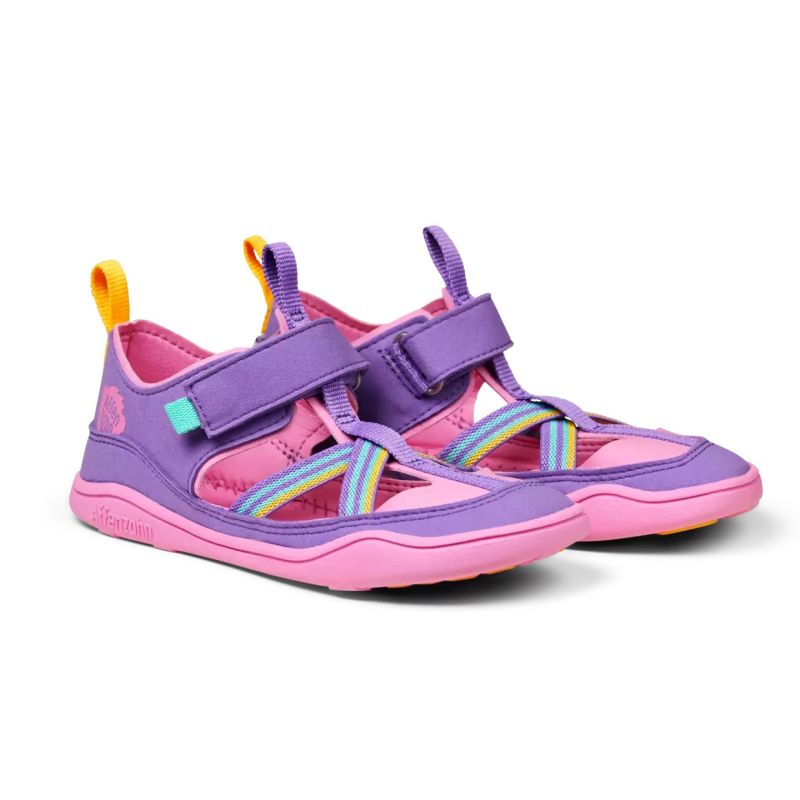
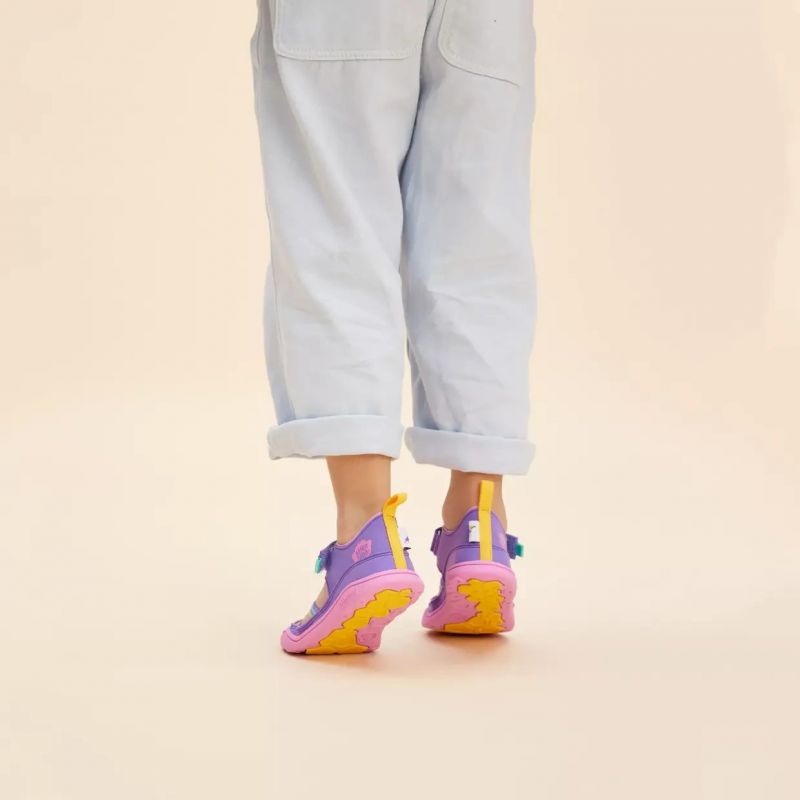
Our pick is the Beda Barefoot Leather Trainers School Shoes in Just Black (£60): a genuinely foot-shaped barefoot school shoe with velcro fastening, suited to normal to wider feet. Honest fit note: Beda measures Medium width in the Fit System, so if your child needs real extra width, we would steer you to the PaperKrane EMERALD LOWS JNR (£58), which measures Extra Wide with a flexible sole and elastic lacing. For colder months, the Froddo range of lined kids boots (such as the Froddo Kids Ankle Boots and the lined winter version in Berry) keeps toes warm without squeezing them. You can see our full range in the barefoot school shoes collection.
One practical note from our house to yours: school shoes bought in September need to last until at least Christmas, but a shoe that is "nearly big enough" is precisely the wrong shoe for a sore toenail. If money is tight, size for the Fit System recommendation now and check the fit at half term rather than buying tight and hoping.
Shoes After Ingrown Toenail Surgery or During Recovery
After nail surgery, your priority is protecting the toe while it heals, and your podiatrist's or surgeon's instructions always come first. As a general footwear principle, recovery favours the same features we have discussed: soft uppers with no pressure on the nail area, plenty of room, and nothing that rubs. Many people find open-toe sandals or very soft, roomy shoes most comfortable early on, but follow the specific advice you are given, especially about keeping the area clean, dry, and protected.
Once you are back in closed shoes, the soft vegan PaperKrane boots above are a sensible option precisely because their uppers have no rigid toe box pressing down, and the toe box has real vertical depth. Whatever you wear, the toe should never be touching the end of the shoe, and the upper should not press on the healing nail bed. If any shoe increases pain during recovery, stop wearing it and speak to your podiatrist.
Shoes to Avoid with an Ingrown Toenail
Some footwear is worth setting aside entirely while a toenail is sore:
- Tapered or pointed-toe shoes, which squeeze the toes together and press the skin against the nail edge.
- Shallow toe boxes, where the upper presses down on the nail plate with every step.
- Slip-ons, flip-flops and backless shoes for walking any distance, because the foot slides forward and the toes grip or jam at the front.
- High heels, which pitch body weight forward onto the toes and concentrate pressure exactly where it hurts.
- Rigid, narrow school shoes, which combine compression with all-day wear.
None of this means you can never wear these shoes again. It means that while a toenail is sore, healing, or being treated, they are working against you.
Don't Forget Your Socks
Socks are the quiet contributor to toe pressure. A tight standard sock can compress the toes together in exactly the way a tight shoe does, and seams across the toe can sit right on a tender nail. If you have done the work of finding a foot-shaped shoe, a restrictive sock can undo some of it.
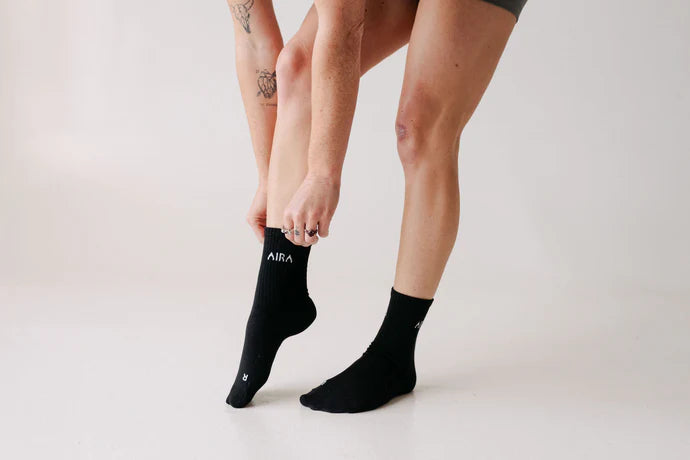
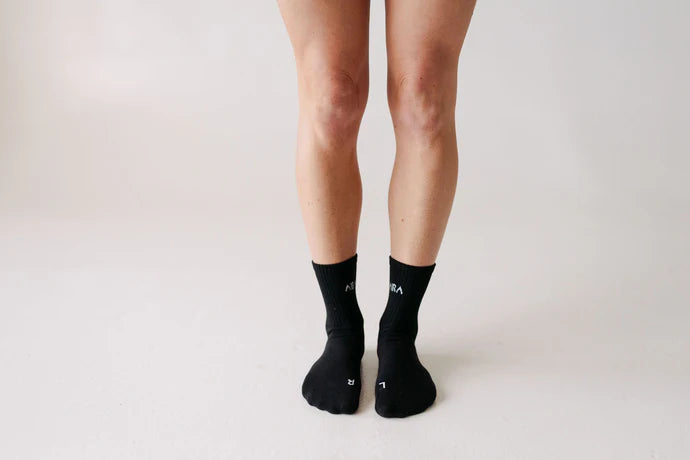
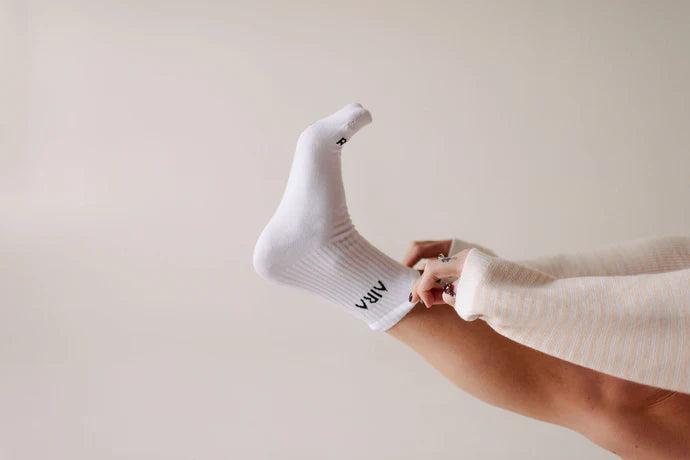
Our Maro Organic Cotton Crew Toe Socks (£12) take the opposite approach: each toe sits in its own sleeve, so nothing squeezes the toes together, and the organic cotton is breathable rather than sweat-trapping. If toe socks are not for you, look for socks with gentle elastic, no tight toe seam, and a roomy toe area, and make sure they still fit comfortably with the extra room in a barefoot shoe. You can browse the full range in our barefoot socks collection.
When to See a Podiatrist About an Ingrown Toenail
Footwear choices are for comfort and reducing external pressure; they are not a treatment. Book an appointment with an HCPC-registered podiatrist or your GP if you notice any of the following:
- The nail has pierced the skin, or you cannot trim it comfortably yourself.
- The toe is red, swollen, hot, or increasingly painful.
- There is any pus, discharge, or a bad smell around the nail.
- You have diabetes, poor circulation, reduced sensation, or nerve damage in your feet. In this case, seek professional care early and never self-treat.
- Home care and roomier footwear have not eased things within a few days.
Podiatrists treat ingrown toenails routinely, and seeing one early is genuinely the difference between a quick in-clinic fix and a long, sore summer. Our footwear can support that process by keeping pressure off the toe; it cannot replace it.
Frequently Asked Questions
Can tight shoes cause ingrown toenails?
Tight or narrow shoes are a recognised aggravating factor rather than the sole cause. UK clinical guidance, including the NHS and NICE CKS, lists tight footwear among the factors that can contribute to ingrown toenails, alongside nail-cutting technique, injury, and natural nail shape. Constant sideways pressure and downward pressure on the nail can make an existing tendency worse, so switching to roomier, foot-shaped footwear is one of the changes clinicians commonly suggest.
What shoes are best for ingrown toenails?
Shoes with a foot-shaped toe box (widest at the toes), real vertical depth above the toes, a flat zero-drop sole, a secure fastening, and soft breathable uppers. In our range, the PaperKrane boots (Extra Wide) and BLUSUN 600 trainers (Wide) all meet these criteria, measured by our Fit System. The aim is to remove external pressure from the toenail, not to treat it.
Is a "wide fit" shoe the same as a foot-shaped toe box?
Usually not. Conventional wide fit shoes add width at the ball of the foot while the toe box still tapers to a narrower front. A foot-shaped toe box is widest at the toes themselves and has vertical depth above the nail. For a sore toenail, where the shoe is wide matters more than how wide it is overall.
What shoes should I wear after ingrown toenail surgery?
Follow your podiatrist's or surgeon's specific advice first. In general, early recovery favours open-toe sandals or very soft, roomy shoes that put no pressure on the healing nail, followed by footwear with a soft upper, plenty of toe box depth, and nothing pressing on the nail area. Our PaperKrane boots have soft vegan uppers with no rigid pressure over the toes, which many people find comfortable once back in closed shoes. Stop wearing any shoe that increases pain during recovery and speak to your podiatrist.
Are barefoot shoes good for ingrown toenails?
Barefoot shoes are a logical choice because of their shape: a foot-shaped toe box that is widest at the toes, vertical toe box depth, a flat zero-drop sole that stops forward slide, and secure fastenings. That construction reduces the external pressures that aggravate a sore toenail and matches NHS and Royal College of Podiatry guidance to avoid tight, narrow footwear. Barefoot shoes do not treat, cure, or reverse an ingrown toenail; if the nail has grown into the skin, that needs professional care from an HCPC-registered podiatrist.
Related Reading
- Wide fit barefoot shoes - the full collection of shoes measured wide or extra wide at the toes
- Extra wide barefoot shoes - our widest toe boxes, including the PaperKrane range
- Barefoot shoes for bunions and toe pain - the same foot-shaped principles, applied to toe joint comfort
- Best Barefoot Shoes for Bunions: What to Look For - our bunion guide, with the same honest Fit System approach
- Wide fit barefoot shoes explained - the full difference between conventional wide fit and foot-shaped
- How to measure your feet - get the right insole length before you buy
- Barefoot school shoes - foot-shaped school shoes for kids
- Barefoot socks - toe socks and non-compressive socks that work with roomy shoes
Leave a comment