

0mm DropWide Fit
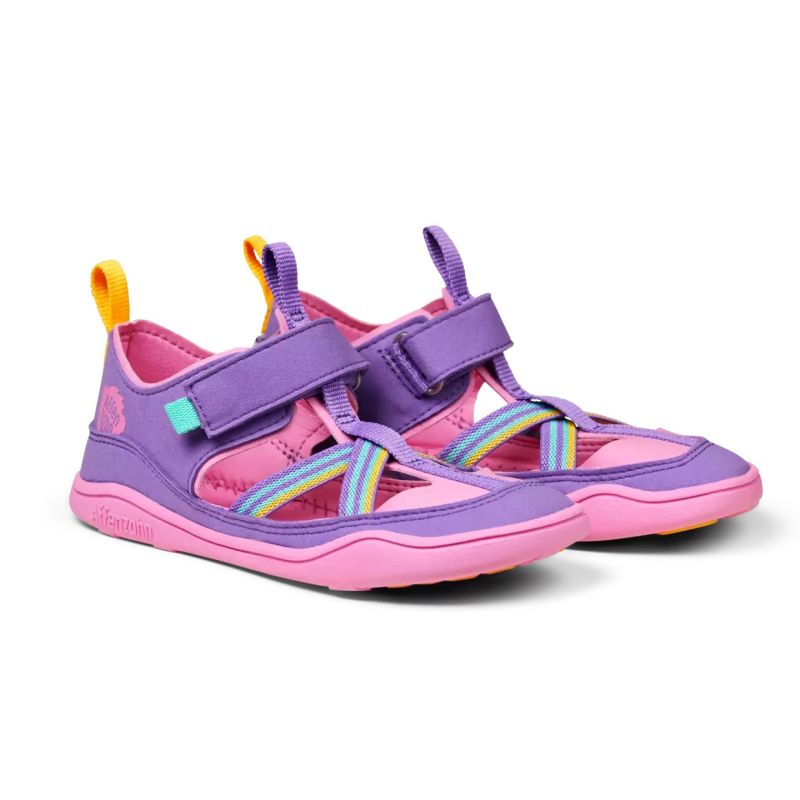
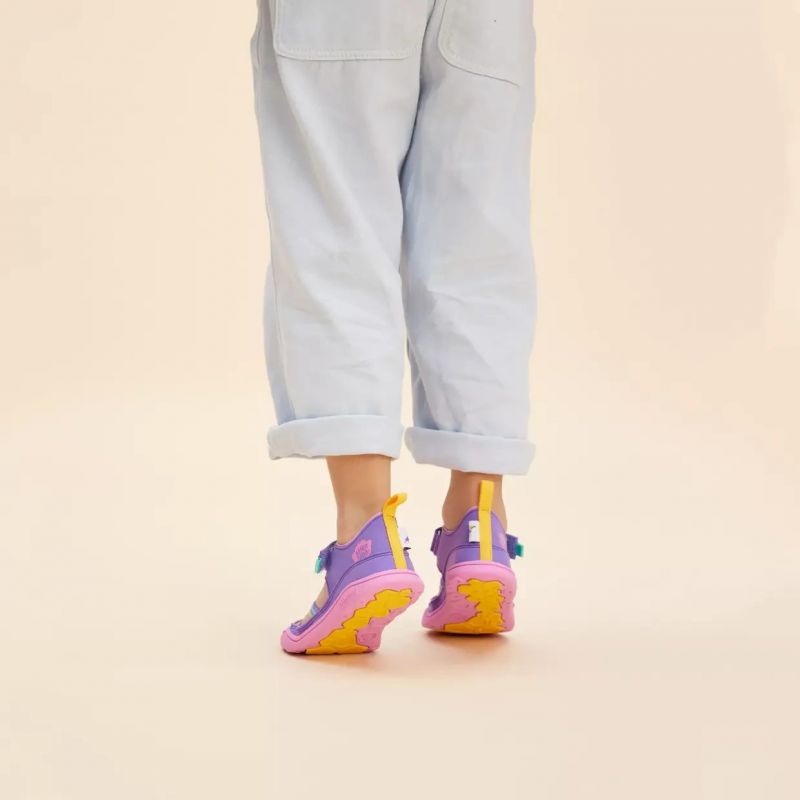



Many conventional trainers, boots, and everyday shoes feature a raised heel relative to the forefoot. Zero drop shoes (also searched as 0 drop shoes) feature a completely flat footbed where the heel and forefoot sit at the exact same height from the ground, creating a true 0mm heel-to-toe drop.
Crucially, zero drop refers strictly to heel-to-toe geometry, not the level of cushioning or sole thickness. Whether you choose an ultra-thin minimalist sole for direct ground feel or balanced daily underfoot protection, a 0mm drop sole keeps your foot resting on a level plane without an elevated heel wedge.

Have you ever wondered why most trainers and casual shoes feel elevated under the rear of your foot?
The difference comes down to sole geometry. Many conventional trainers, boots, and everyday shoes feature a raised heel relative to the forefoot. While the exact drop varies between different footwear styles and models, a raised heel creates an incline from back to front.
Zero drop shoes (frequently searched as 0 drop shoes) eliminate this heel elevation entirely. In a zero drop shoe, the distance between the heel and the ground is identical to the distance between the ball of the foot and the ground. This creates a true 0mm heel-to-toe drop, meaning the toe height sits completely flat and inline with the heel, allowing your foot to rest on a level plane without an artificial incline or upward toe curve.
In footwear design, "drop" (also called offset, heel-to-toe drop, or differential) measures the height difference in millimetres between where your heel rests and where the ball of your foot rests.
The heel and forefoot rest on the exact same plane (0mm difference), with the toe height sitting flat and inline with the heel.
Positions the foot horizontally, similar to how it rests when standing naturally barefoot on a flat floor.
Zero drop defines only the slope of the footbed. It is an independent measurement from sole thickness or flexibility.

A common misconception is that shoes with no heel-to-toe drop must be paper-thin or completely unpadded. In footwear design, drop describes only the angle between the heel and the forefoot, whereas stack height describes the total thickness of material between your foot and the ground.
You can find zero drop shoes with a 4mm ultra-grounded barefoot sole (such as our Portuguese-made BLUSUN 200 or Angles Linos) or zero drop shoes with a 6mm to 8mm sole for everyday pavement walking and work environments (such as BAAK safety footwear or winter boots). Both maintain a completely flat, 0mm heel-to-toe drop.
How does heel elevation change footwear design? Here is a clear, factual comparison of how zero drop soles differ from conventional elevated shoes.
| Design Feature | Zero Drop Footwear (0mm) | Raised-Heel Footwear |
|---|---|---|
| Heel-to-Toe Drop Height difference between heel & forefoot |
0mm (Level)
The heel and forefoot sit at the exact same height relative to the ground. |
Raised Heel
The heel sits higher than the forefoot. Exact elevation varies widely by shoe type and model. |
| Footbed Geometry Angle of the interior sole |
Horizontal Footbed
The footbed remains completely level from back to front, keeping toe height flat and inline with the heel. |
Sloped Footbed
The footbed slopes downwards from the elevated heel, often with an upward toe curve holding toes off the surface. |
| Standing Plane Baseline platform underfoot |
Flat Baseline
Provides a flat plane underfoot, similar to standing barefoot on a level floor. |
Elevated Platform
Positions the rear of the foot on a raised base above the forefoot. |
| Lower-Leg Position Feel around heel and ankle |
Un-Elevated Position
Allows the heel to sit at floor level, which may feel different if you are used to raised footwear. |
Elevated Position
Maintains the heel in a raised position during standing and walking. |

When placed on a flat shelf, notice how this conventional trainer rests on a thick elevated heel wedge while the front sole curves sharply upward (toe spring). The toes are held angled upwards off the flat surface rather than resting naturally level with the heel.
If you have worn shoes with elevated heels for many years, zero drop footwear will feel noticeably different around your calves and ankles. Introducing your new shoes gradually—starting with shorter walks or wearing them around the house—allows your body comfortable time to adjust to a flat foundation.
In true zero drop barefoot shoes, the footbed remains horizontal from heel to toe. This flat plane allows all ten toes to sit level with the ground, maintaining natural splay and stable balance without artificial rocker angles.
Removing the heel incline distributes body weight evenly across the entire footbed rather than shifting forward pressure into the ball of the foot and toes.
Every shoe below has been verified with a completely flat, 0mm drop sole across women's, men's, and unisex styles. Handcrafted in Europe and dispatched directly from the UK.
Have you ever tried a flat or minimalist shoe, only to find your toes still felt pinched, rubbed, or crammed against the outer edge?
It is easy to assume that any "flat" shoe will feel comfortable. But zero drop and a wide toe box are two completely separate design features:
Some zero drop shoes (such as racing flats or retro canvas plimsolls) still feature narrow, tapered profiles that taper inward at the front. When a shoe has a flat sole but a tapered toe box, your toes can still feel restricted or pressed against the shoe wall.
Combining a 0mm drop sole with an anatomically wide toe box allows your foot to sit level while providing generous space across the forefoot so your toes can spread out naturally during everyday wear.

Whether you are looking for casual trainers, smart office styles, or seasonal boots, our women's collection includes verified zero-drop styles, with wide and foot-shaped toe-box options available across selected models.
From smart Oxford-style Derbys and durable combat boots to everyday trainers, our men's zero drop footwear collection provides comfortable ground feel with a level, 0mm drop sole.
Choosing zero drop footwear for running, trail walking, and outdoor adventures comes down to matching sole thickness, tread grip, and flexibility to your intended terrain.
Road and gym runners typically prefer smooth, flexible rubber outsoles, while trail walkers and hikers benefit from deeper multi-directional lugs (such as on our trail models or BAAK outdoor footwear) for traction on mud, grass, and wet rock.
Zero drop running shoes range from ultra-thin 4mm outsoles for direct ground feedback to 6–8mm soles with removable insoles. Thicker zero drop options offer underfoot protection on gravel and hard surfaces while keeping the heel and forefoot level.
During active walking and running, feet spread slightly on impact. A wide, foot-shaped toe box allows toes to splay comfortably without rubbing, while secure midfoot lacing ensures the heel stays seated without slippage.
If you are new to footwear with no heel lift, wear your zero drop shoes for everyday walking before introducing active runs.
Your calves and ankles work from an un-elevated position. Allow rest days between runs and increase distance at a comfortable, gradual pace.
Packed dirt, grass, and park trails offer a forgiving, varied surface when getting accustomed to a flat, flexible sole.

An ideal multi-terrain zero drop trainer inspired by 1970s cross-country footwear. Features a completely flat 5mm puncture-resistant rubber outsole, breathable upper, wide anatomical toe box, and high flexibility for road, gravel, and light trail running.
Finding the right zero drop pair involves matching the shoe's shape and internal dimensions to your feet, rather than relying on standard high-street shoe sizes alone.
Do your toes slope downwards from your big toe (Egyptian), does your second toe extend longest (Greek), or are your first three toes roughly level (Roman)? Different European brands shape their toe boxes around specific foot shapes. Matching your toe slope ensures no toe is clipped at the outer edge.
Measure the circumference and width across the ball of your foot. We categorise our footwear into Regular, Wide, and Extra Wide. If your foot splays significantly when weight-bearing or you manage bunions, look for brands like PaperKrane, Angles, or wider BLUSUN models.
Volume is the vertical space your foot takes up inside a shoe. High insteps require models with generous upper volume or open lacing (like Derby shoes or adjustable laces), while shallow or low-volume feet benefit from secure midfoot hold (like Chelsea boots with elastic or low-profile sneakers).
Remember: zero drop describes the flat angle, not sole thickness. If you are new to footwear with no heel lift, you might prefer a 5mm to 8mm sole with a removable insole for gentle transition, while wearers who enjoy close ground feedback often choose an ultra-thin 3mm to 4mm sole.
Every footwear brand cuts sizes slightly differently. To make sizing straightforward, our team physically measures the internal insole length and width of the shoe models we stock.

Why Comfort Room Helps: Leaving space in front of your longest toe allows your foot to move and flex comfortably without pressing against the end of the shoe.
Everything you need to know about zero drop shoes, heel-to-toe drop, and transitioning safely.
Zero drop refers strictly to the incline of the sole: there is 0mm of difference in height between the heel and the ball of the foot. A shoe can be zero drop while still having a narrow, pointed toe box or a stiff sole.
Barefoot shoes incorporate zero drop as one of three essential pillars: (1) a true 0mm drop sole, (2) an anatomically wide toe box that allows toes to splay, and (3) a flexible, thin sole with no rigid internal shank or artificial arch splint. All barefoot shoes on BarefootBrit Shop provide this complete foot-shaped experience.
Yes. The interior footbed is level from heel to toe, allowing your foot to rest as it would on a flat floor. There is no built-in heel lift and no rigid arch wedge, providing a neutral, flat platform underfoot.
Drop and cushioning are independent features. Drop measures the angle from heel to forefoot, whereas stack height measures the total thickness of material underfoot.
Our collection includes ultra-grounded barefoot models with 3mm to 5mm soles (such as BLUSUN 200 or Angles Linos) for maximum ground feedback, as well as zero drop shoes with 6mm to 8mm stack heights or removable Arneplant insoles for wearers who prefer balanced underfoot protection when walking on hard city pavements.
If you are accustomed to shoes with elevated heels, zero drop footwear can feel noticeably different under your heels and lower legs. Because your feet rest in an un-elevated position, some people notice mild muscular fatigue during their initial days of wear.
Introducing zero drop footwear gradually—starting with shorter walks and alternating with your current footwear—provides a comfortable, smooth adjustment for your lower legs and feet.
Yes. Many people wear zero drop footwear for long working shifts on hard surfaces, teaching, and daily commuting. Having room for your toes to splay while resting on a level sole provides a stable, un-canted base underfoot.
If your daily routine involves extensive standing on concrete, zero drop models with 6mm to 8mm stack heights or removable insoles provide comfortable underfoot protection while maintaining a flat heel-to-toe platform.
Over 99% of our footwear catalog features a verified true 0mm drop. The only rare exceptions are specific transitional styles—such as select Josef Seibel models which feature a gentle low drop and are clearly distinguished—so you always know the exact drop specification before ordering. Every product featured on this page is 100% verified zero drop.
Never rely on generic sizing conversions alone. We recommend measuring your foot length while standing with your heel lightly touching a flat wall, measuring to the tip of your longest toe in millimetres.
Our BarefootBrit Fit System generally recommends adding 8mm to 10mm of comfort room for a standard fit, or 10mm to 12mm for a roomier fit. Compare this total length against the insole measurements displayed on each brand's size guide. For step-by-step assistance, explore our Foot Measuring Guide or take our Shoe Match Assessment.
Discover over 200 European-crafted barefoot shoe styles featuring level 0mm drop soles and foot-shaped toe boxes, in stock and ready to dispatch directly from the UK.
We will send you an email to reset your password


