



Wide Fit Barefoot Shoes for Kids
My child has wide feet - which shoes will actually fit? If that's the question you're asking, you're in the right place. Every pair here is foot-shaped, not fashion-shaped: a wide toe box that lets toes splay naturally, a flat sole, and flexible construction - from toddler first steps to school-age styles.
Free UK delivery on orders over £130.

Narrow Shoes Shape Growing Feet - And Not in a Good Way
A child's foot is mostly cartilage. It doesn't fully harden into bone until the late teens. That means the shoes they wear now are actively moulding the shape of their feet for the rest of their life.
Deforming Growing Feet
Children's feet are soft and malleable. Narrow, pointed toe boxes literally push the toes together and can cause the big toe to angle inward - the beginning of a bunion that may never go away.
Stifling Natural Development
Thick, rigid soles stop kids from feeling the ground. The foot has thousands of nerve endings that send balance and position signals to the brain. Stiff shoes weaken these connections and slow natural foot development.
Weak Foot Muscles
Supportive, structured shoes do the work the foot muscles should be doing. Over time, the foot becomes dependent on the shoe's support. Barefoot shoes let the foot strengthen naturally - building the muscles kids need for life.
The earlier a child switches to wide, flexible shoes, the better. Barefoot shoes for kids let growing feet develop naturally — wide at the toes, flat from heel to forefoot, and flexible enough to feel the ground. Also explore our complete wide fit barefoot shoes guide, wide fit shoes for women, and wide fit shoes for men.

Why Kids Need Shoes with a Wide Toe Box
Most kids' shoes are just scaled-down adult shoes - narrow, stiff, and raised at the heel. But children's feet have different needs. Barefoot shoes for kids are designed around three key features:
Wide Toe Box
Kids' toes need room to splay. A wide toe box lets every toe sit in its natural position, preventing the crowding that leads to bunions, curled toes, and unbalanced walking. This is especially important during growth spurts when the foot is changing rapidly.
Zero-Drop Sole
Raised heels in kids' shoes tilt the body forward and put unnatural pressure on growing joints. Zero drop means the heel and forefoot are level - just like standing barefoot. This supports healthy posture and natural gait development from the very first steps.
Flexible, Thin Soles
Kids learn balance and coordination through their feet. Thin, flexible soles let them feel the ground and build foot strength with every step. This proprioceptive feedback is essential for developing the balance, agility, and body awareness they'll rely on for life.
Need Help Finding the Right Size?
Complete the Shoe Match Assessment and we'll match your child with the perfect wide fit shoes. Answer a few questions about their foot width, size, and age - and get personalised recommendations from our curated range.
Take the AssessmentWide, Extra-Wide or High-Volume?
"Wide feet" means different things to different parents - and two children with the same foot length can need completely different shoes. Here's how we break it down, so you can find the shape that actually fits.
Wide feet
The forefoot is wider than standard kids' shoes allow. Most foot-shaped barefoot shoes give this kind of foot the room it needs straight away.
Extra-wide feet
Even some wide shoes pinch. PaperKrane is the widest brand we stock and is often the one that finally fits, with roomy shapes right through the toe box.
High-volume or chunky feet
The foot is deep as well as wide - a high instep means the shoe's opening and fastening matter as much as its width. Look for styles with adjustable straps or generous entry.
Whichever describes your child, measure first. With the BarefootBrit Fit System, our team physically measures the insole of every shoe in millimetres, so you can match real numbers to your child's feet rather than guessing at labels. See our foot measuring guide or take the Shoe Match Assessment for a personalised recommendation.
Our Wide Fit Barefoot Shoes for Kids


Merrell Vapor Glove 6 LTR - Brown Teens

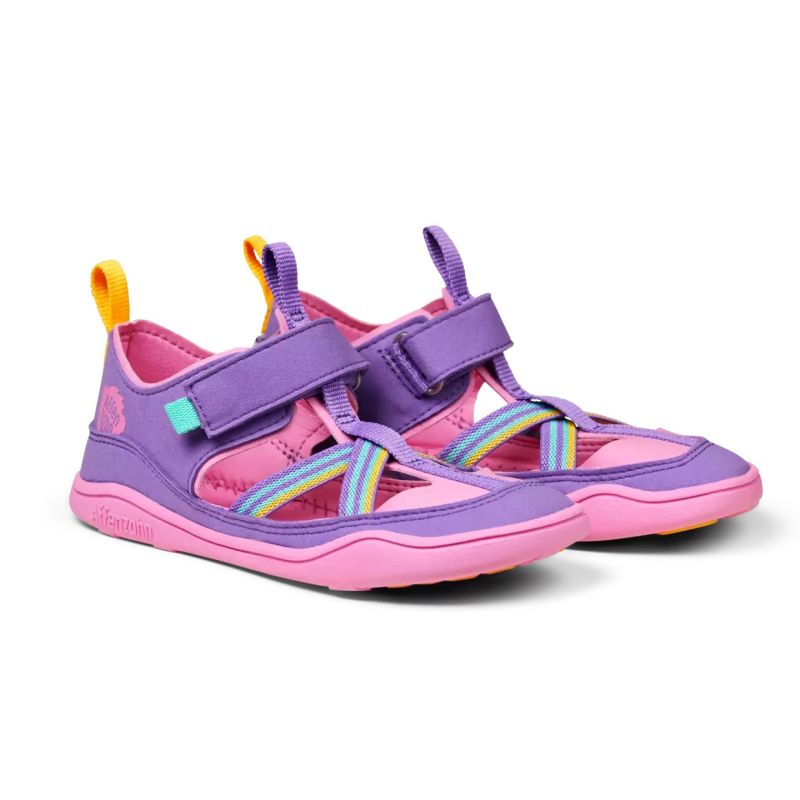
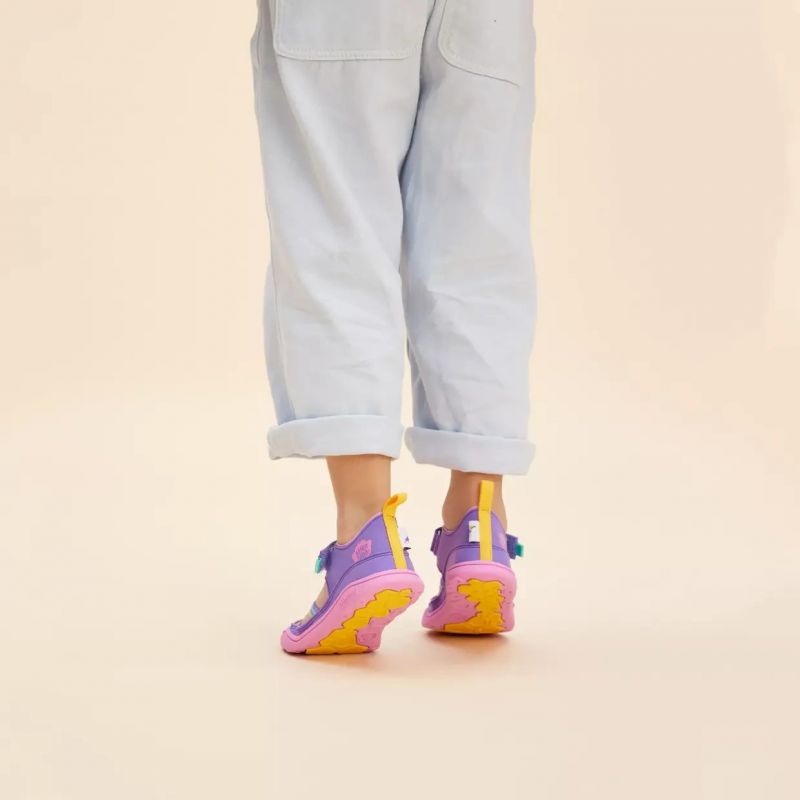
Affenzahn Breezy Vegan Sandals - Toucan Kids

Froddo Paix Up Children's Winter Barefoot Boots

Froddo Paix Winter Pink Gold Barefoot Boots

Froddo Paix Winter Furry Pink Barefoot Boots

Froddo Barefoot Kids Winter Boots Paix Up Dark Brown


Froddo Paix Up Winter Barefoot Boots Hearts

Froddo Barefoot Kids Winter Boots Paux - Green

Froddo Barefoot Kids Winter Ankle Boots Berry

Froddo Barefoot Kids Winter Boots - Navy

Froddo Barefoot Kids Ankle Boots - Grey

Froddo Barefoot Kids Ankle Boots Paix Up Silver

Froddo Barefoot Kids Insulated Winter Boots - Turquoise

Froddo Barefoot Winter Boots Paix Rose

Froddo Barefoot Kids Insulated Winter Boots - Yellow

Froddo Barefoot Toddler Boots - Red

Froddo Barefoot Kids Lined Winter Boots - Brown

Froddo Barefoot Kids Sandals

Froddo Barefoot Kids Ankle Boots Lined - Hearts

Froddo Barefoot Kids Ankle Boots - Stars

Froddo Barefoot Toddler Shoes - Paix Tan
Wide Fit Boots for Toddlers and Kids
Boots are the hardest shoes to get right on a wide or chunky foot. The stiffer upper and higher cut can pinch at the toes and press across the instep, and many children struggle to get a wide foot into a narrow boot opening at all. The good news: barefoot boots are built on foot-shaped lasts, so the toe box stays wide and the fit stays comfortable. Explore our full range of kids' barefoot boots, including toddler sizes, or browse our barefoot school shoes for styles that meet uniform requirements.

How to Measure Your Child's Feet
Kids' feet grow fast - sometimes up to two sizes in a year. Measuring regularly and getting the right size is the key to comfortable, healthy footwear. Here's how to measure at home.
Place a sheet of A4 paper against a wall on a hard floor.
Have your child stand on the paper with their heel touching the wall. They should be wearing socks they'd normally wear.
Mark the tip of their longest toe on the paper, then measure from the wall to that mark.
Measure both feet - use the longer measurement. Add 10-12mm for growing room. Compare against the size guide on each product page.
Tip: Measure every 2-3 months. Children's feet grow in spurts, and they often can't tell you when shoes are getting tight. Look for signs like tripping, reluctance to walk, or toes curling inside the shoe.
Not sure which size to order? Take the Shoe Match Assessment for personalised recommendations.
Frequently Asked Questions
Are barefoot shoes good for kids' foot development?
Yes. Barefoot shoes support healthy foot development by allowing toes to splay naturally, building foot muscle strength, and letting children feel the ground through thin, flexible soles. Paediatric podiatrists generally recommend wide, flexible footwear for growing feet - and barefoot shoes deliver exactly that.
How often should I measure my child's feet?
Every 2-3 months for toddlers and pre-schoolers, and every 3-4 months for school-age children. Kids' feet grow in spurts, and they often can't tell you when shoes are getting tight. Look for signs like tripping, reluctance to walk, or toes curling inside the shoe.
Are these shoes suitable for school?
Many of our kids' barefoot shoes work well for school. We stock leather trainers and durable everyday styles that meet most school uniform requirements. Check individual product descriptions for school suitability, or contact us if you're unsure.
How much growing room should I leave?
We recommend 10-12mm of growing room beyond the longest toe. This allows for natural foot splay and a comfortable fit without being so loose that the shoe slips. Each product page includes a detailed size guide with measurements in millimetres.
Can toddlers wear barefoot shoes?
Absolutely. In fact, barefoot shoes are ideal for toddlers who are learning to walk. Thin, flexible soles help them feel the ground and develop balance, while the wide toe box lets their feet splay naturally. We stock a range of first-walker styles from brands like Baby Bare and PaperKrane Junior.
What does a barefoot wide toe box mean compared to a G or H width fitting?
Barefoot shoes aren't graded in letter width fittings like a Clarks G or H fit. Instead of narrowing toward the toes, they're shaped like a natural foot, so the widest part of the shoe is exactly where toes sit. Many parents of wide-footed children find a foot-shaped toe box works where G-fit shoes didn't - but the two systems measure different things, so there's no direct conversion. The most reliable approach is to measure your child's feet and match them against the insole measurements on each product page.
What if the shoes don't fit?
We offer easy returns and exchanges. If the shoes don't fit, simply return them within our returns period for a refund or exchange. See our shipping & returns page for full details.
Give Their Feet the Room They Need
Shop our full range of wide fit barefoot shoes for kids - from first walkers to school-age styles. Every pair is designed to let growing feet develop naturally, with free UK delivery on orders over £130.
Shop Kids' Barefoot ShoesLooking for yourself? Explore our complete wide fit barefoot shoes guide, wide fit shoes for women, or wide fit shoes for men.